
Brand strategy
A clear brand stands for something defined, speaks directly to its ideal audience, and sets the standard in its market. Establishing a strategic foundation ensures that every touchpoint reinforces total brand equity.
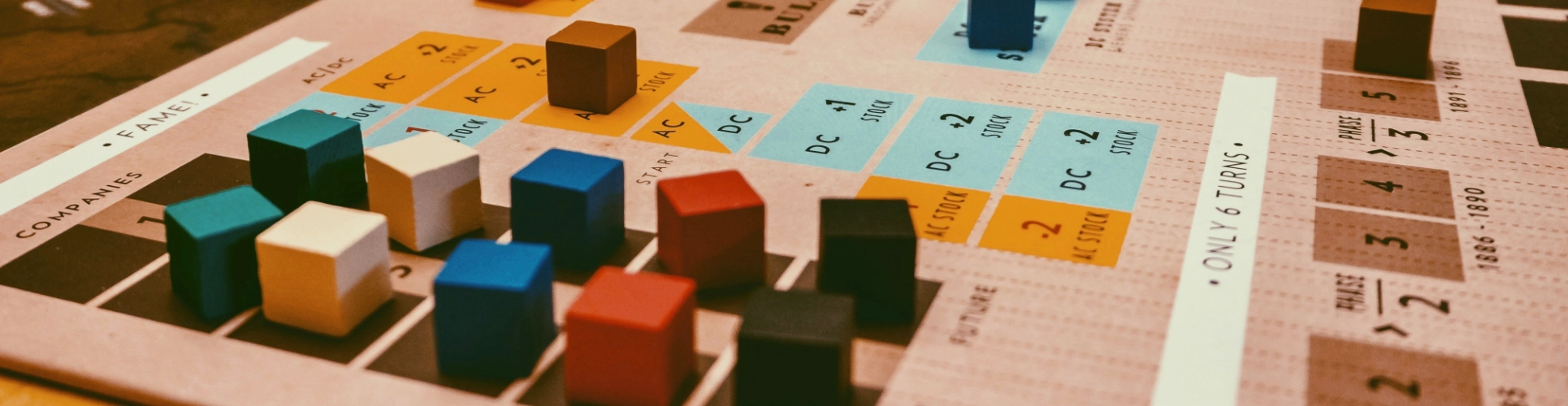
A market position built to lead
The most compelling market positioning is one only a single business can truly occupy.
It draws on your organization’s specific expertise, on what truly matters to your audience, and designed to claim prime space within the industry landscape.
Key moments to intervene
The most resilient positioning is one uniquely owned by your organization. It builds on your core operational mastery, addresses what truly matters to your audience, and claims prime space within your market.
Before establishing a name and identity, it is essential to define the intended market position, the target audience, and the project’s true value. The strategy ensures every invested resource delivers maximum impact.
Growth can obscure core messaging and clarity. Whether due to new services, new audiences, or restructuring, strategic alignment clarifies position and allows consistent expansion without losing foundational identity.
Merging or transferring businesses requires preserving built-in brand equity while declaring a fresh strategic vision. Strategy aligns organizational cultures, unifies offerings, and uplifts total enterprise value for maximum market leverage.
Updating a visual identity or marketing assets without refining core substance is like painting an unclear foundation. Strategic work realigns core fundamentals before shaping visual execution.
La méthode
01. Diagnosis
In-depth discovery, market analysis, ecosystem mapping, and evaluation of existing touchpoints. Deliverable: A clear, actionable strategic audit.
02. Formalization
Defining position, brand promise, audience hierarchy, and brand architecture. Key strategic choices are finalized collaboratively backed by market data.
03. Activation
Key messaging, tone of voice, and narrative framework. The brand platform becomes a turnkey operational tool for all team members and creators.
Strategy decides, identity embodies
Strategy defines target markets and underlying values; visual identity renders them instantly recognizable. Ultra Panache executes both in logical order, ensuring every creative choice is backed by concrete strategic purpose.
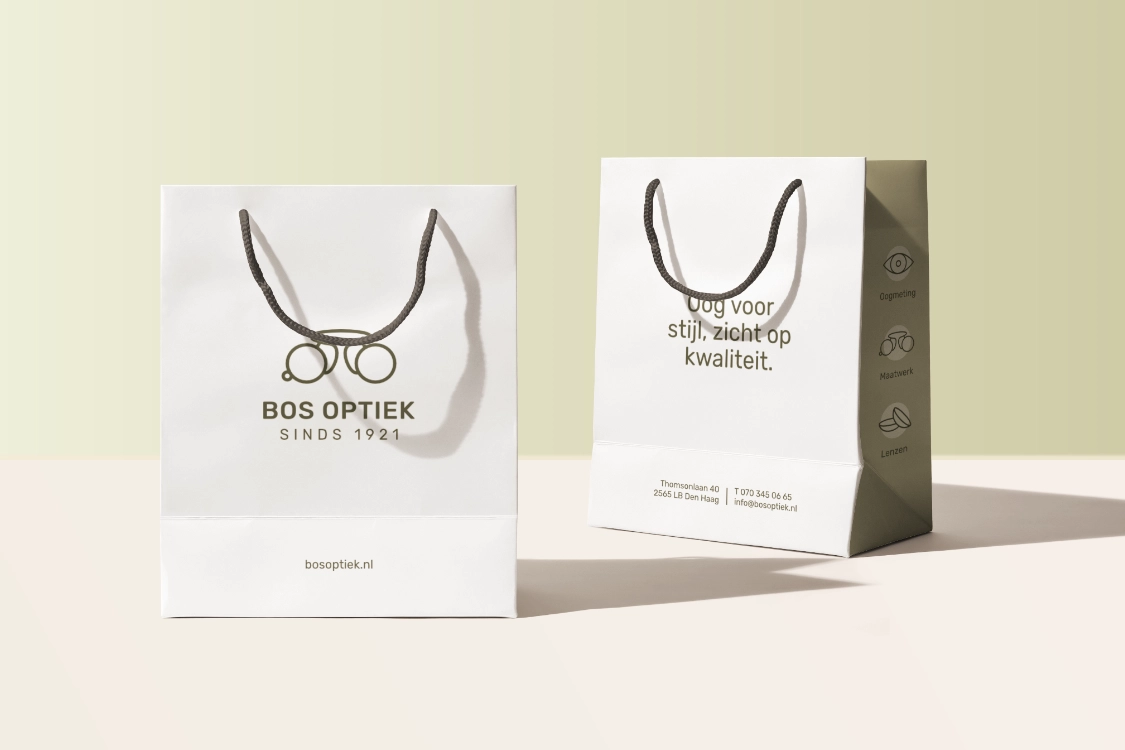
Other services
Clarify your positioning
Strategy gives your business a clear direction and a reason for being that people can understand and communicate. It’s the foundation everything else is built on.
Create your identity
Your identity is what makes you recognisable and memorable. A coherent visual language that expresses who you are and builds trust before a single word is exchanged.
Build your visual world
A brand is recognised as much by its details as by its logo. Graphic elements enrich your visual language and help communicate complex ideas at a glance.
Design for print
Books, magazines, catalogues, posters, flyers, every format has its own way of making an impact. Paper, binding and finishes give your message something tangible. Something to keep, or even collect.
Build your website
A website can be a business card, a shop, a source of information or a genuine working tool for your customers. Open around the clock, it makes your business accessible far beyond its usual reach.
Get found
Being visible means being found at the precise moment someone is looking for you. SEO builds visibility that compounds over time: every well-crafted page brings in more qualified visitors.
FAQ
Clear answers to move forward with total confidence. Have a specific question? Start the conversation with a single click.
What is a brand strategy?
A brand strategy defines what a business stands for, who it serves, and why it is the preferred choice over alternatives. It aligns purpose, vision, values, positioning, and brand promise, serving as the master reference for all subsequent marketing and design choices.
What is a brand platform and what does it include?
A brand platform is the master document formalizing the brand strategy. It houses the mission, vision, core values, positioning, target audience profiles, messaging architecture, and brand promise, providing internal teams and partners with a single, unified source of truth.
What is the difference between brand strategy and brand identity?
Strategy decides; identity embodies. Strategy establishes core principles and target audiences, while brand identity translates those decisions into colors, typography, imagery, and design systems for instant recognition.
How is a unique brand positioning defined?
By aligning three pillars: core business strengths, genuine audience requirements, and open market opportunities. The strongest positioning is one uniquely owned by the business that competitors cannot easily claim.
How long does it take to build a brand platform?
The timeline typically ranges between three to eight weeks depending on organization size, stakeholder involvement, and operational complexity.
What determines the investment for a brand strategy?
Investment scales according to real project scope, including the number of stakeholder interviews, market presence (local vs. international), and architectural complexity. Detailed proposals define a set scope upfront.
Does a small or medium-sized business need a brand strategy?
Yes. Strategic clarity ensures every marketing resource yields higher returns. Tailored platforms give agile teams a decisive competitive advantage, aligning organizations effectively.
Ready to make your mark?
Distinctive strategy meets high-grade execution. Bring big ambitions to the table and create a brand presence defined by ultra-clarity and undeniable panache.